

WHAT CAN BABIES ACTUALLY SEE?
A Simple Guide to Supporting Your Baby’s Vision in the First Year
When you’re expecting a baby, you’re given information from all directions – advice from friends, family, books and online sources. It’s often well-meaning, but it can quickly become overwhelming.
Very little of it explains what your baby can actually see in those early weeks and months, or how that affects their calm, focus and development.
But understanding your baby’s visual world can make everyday moments feel easier and more confident. And it doesn’t require more stuff, just the right kind of support, at the right time.
Here’s our expert guide to what babies see, and how you can gently support their developing vision from day one.

What can babies see at birth?
At birth, a baby’s eyesight is still developing. They can’t see far and they don’t see detail the way adults do.
Newborn babies are most responsive to:
-
High-contrast patterns
-
Simple shapes
-
Strong light and dark differences
-
Objects held close, roughly 20–30cm away
This is why babies often fixate on bold patterns, hairlines, shadows and faces. Their brains are working hard to make sense of the visual information available to them.
From birth to 4 months: visual comfort and focus
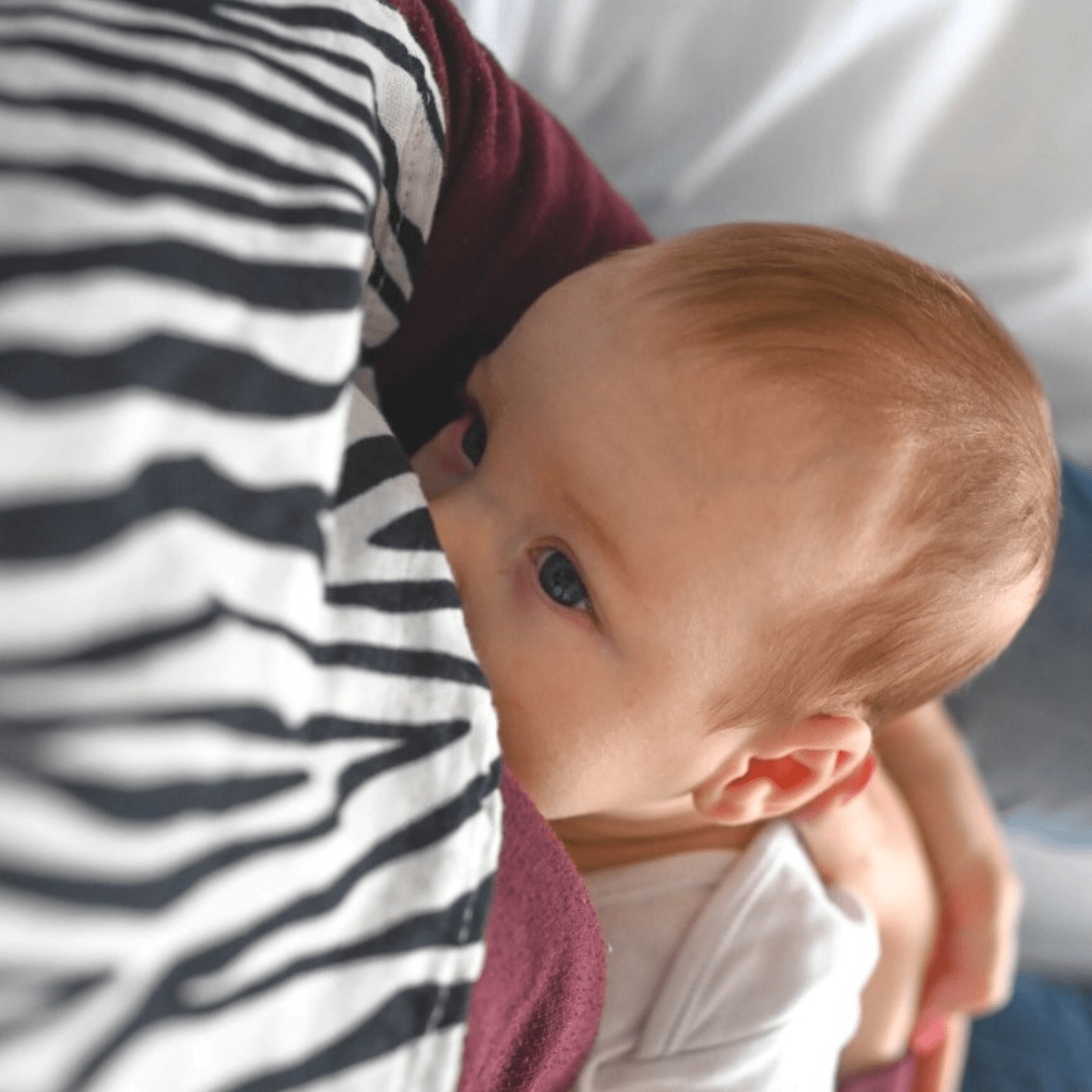
In the first few months, babies benefit from patterns that are:
-
High contrast
-
Clear and uncluttered
-
Designed to be seen up close
At this stage, the goal isn’t stimulation for stimulation’s sake. It’s about giving babies something their eyes can comfortably focus on.
When a baby stares at a visually appropriate pattern, they’re not “zoning out”. They’re concentrating. That focus helps support early eye-to-brain connections and can make everyday moments calmer and more settled.

From 5 months to around a year: curiosity and complexity
As babies grow, their eyesight develops rapidly.
They begin to enjoy:
-
More complex patterns
-
Softer contrasts
-
Repeating shapes and movement
-
Greater visual detail
This is when curiosity really blooms. Babies want to look, track, reach and explore. Patterns designed for this stage can help hold attention for longer and encourage engagement during play and everyday routines.
Why pattern choice matters
Not all patterns are equal for babies.
Many baby products are designed for adults first, with colour palettes and designs chosen because they look nice in the home. While beautiful, these designs aren’t always easy for babies to see or engage with.
Thoughtfully designed patterns, created using research into infant visual development, work with your baby’s eyesight rather than against it.
The result is longer focus, happier and more engaged babies, and everyday moments that feel smoother and less fraught.
Supporting your baby doesn’t have to be complicated
Babies don’t need endless toys or overwhelming choices.
They need calm, comfort, moments of connection, and visual support that meets them where they are.
When you understand what your baby can see, choosing what to use and when becomes much simpler.
That’s the thinking behind every Etta Loves pattern. Each one is created using the science of infant vision and reimagined through the eyes of a baby, so parents can feel confident they’re supporting development while making everyday life that little bit easier.

A gentle reminder for you...
If you’re feeling overwhelmed by advice or unsure if you’re doing “enough”, this is worth remembering: Your baby doesn’t need everything. They (and you) just need what works.
Understanding their visual world is a small shift that can make a surprisingly big difference.
If you’re curious to explore patterns designed using the science of infant vision and reimagined through the eyes of a baby, you can browse the Etta Loves range here.

1 comment
Thank you for such a valuable information!
Francisca Arechiga
Leave a comment
This site is protected by hCaptcha and the hCaptcha Privacy Policy and Terms of Service apply.